GSA SER Global Site List
Understanding the GSA SER Global Site List
For anyone working with automated link building, GSA Search Engine Ranker (GSA SER) is a familiar and powerful tool. Its effectiveness, however, depends heavily on the quality and variety of target websites it can post to. This is where a carefully curated GSA SER global site list becomes the cornerstone of any successful campaign.
What Exactly is a Global Site List?
A global site list is a comprehensive, pre-compiled collection of URLs where GSA SER can potentially create backlinks. Unlike a project-specific verified list that only contains targets relevant to one niche, a global site list aims to be broad, encompassing a massive range of platforms and engines. It typically includes targets for various content management systems, forums, guestbooks, social bookmarking sites, and article directories from all over the world.
Think of it as a master database of potential targets. The power of a good GSA SER global site list lies in its ability to expose your software to millions of diverse domains, dramatically increasing the footprint of your link profile.
Key Components of a High-Quality List
Not all global site lists are created equal. A premium list should be built with specific characteristics in mind:
1. Platform Diversity
A stale list containing only WordPress blogs is a red flag. An effective global site list spans dozens of engine types, such as:
- Article directory scripts (ArticleMS, Article Friendly)
- Social bookmarking engines (Pligg, Scuttle)
- Forum software (phpBB, vBulletin, SMF)
- Wiki platforms (MediaWiki, TikiWiki)
- Web 2.0 and blog platforms (Blogger, Drupal)
- Guestbooks and image comment scripts
get more info
2. Active and Alive Targets
The list must be regularly cleaned of dead domains, 404 errors, and platforms that have become completely closed to automated posting. Relying on an outdated list filled with dead links will waste resources and slow down your submission rate.
3. Multilingual and Global Reach
A true global list includes sites from a wide range of countries and in multiple languages. This international diversity helps build a natural-looking backlink profile, avoiding a footprint that looks artificially constrained to one region or language.
4. Platform Identification Markers
Advanced lists don't just contain URLs; they often include the exact engine type, search and placeholder macros, and specific submission paths. This allows GSA SER's parser to identify the correct form fields without fumbling, drastically speeding up the verification and submission process.
Why a Dedicated Global Site List Outperforms Default Scraping
While GSA SER has its own built-in search and scrape functionality, relying on it as your primary source can be inefficient. A purpose-built GSA SER global site list offers several distinct advantages:
- Lightning-Fast Startup: You bypass the time-consuming keyword-based scraping phase and feed the tool a massive pool of targets instantly.
- Higher Verified Rate: Pre-cleaned and pre-identified platforms lead to a higher success rate when GSA tests and submits to the targets.
- Specialized Footprints: Professional list curators use advanced search operators and private footprints that are not publicly available, uncovering hidden platforms.
- Reduced Search Engine Blocks: By cutting down on aggressive scraping, you lower the risk of your proxies or IP being flagged by search engines.
Best Practices for Importing and Using Your List
To get the most out of a global site list, integration and maintenance are key:
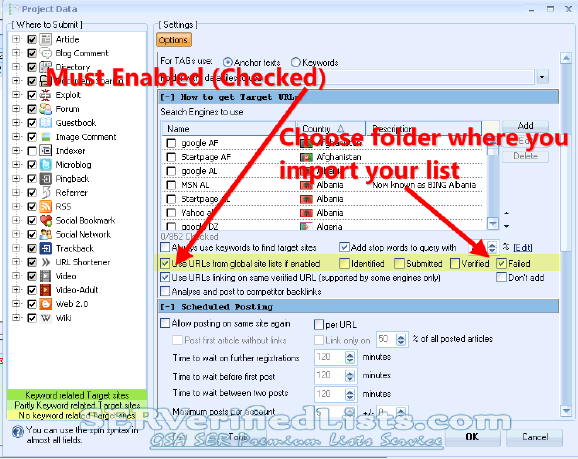
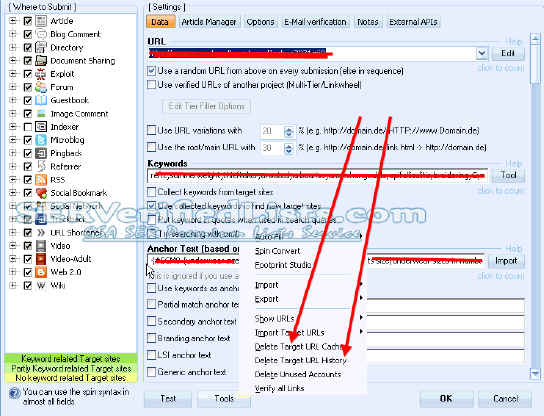
- Import Correctly: In GSA SER, go to your project options, navigate to the “Tools†or “Advanced†section, and select the option to import target URLs from a file. Choose the appropriate format (often a .txt with one URL per line).
- Deduplicate from the Start: Always use the “Remove duplicate URLs†function before starting your campaign to ensure you aren’t wasting threads on identical targets.
- Set Reasonable Threads: Feeding a huge list with an overly aggressive thread count can overwhelm your proxies and VPS. Start moderately and scale up while monitoring the verified submissions per minute.
- Continuously Update: A global site list is not a one-time purchase. Integrate regular small updates or refreshed versions to keep your pool alive and growing.
- Blend with Project Verification: After importing, let your project run. The verified sites it produces become your own custom list that is perfectly tailored to your specific niche. Export these verified URLs for future projects.
Frequently Asked Questions
What is the difference between a global site list and a verified list?
A global site list is a wide, unverified pool of potential targets. A verified list is the product of GSA SER attempting to register and post on those global targets, successfully creating an account and link. The global list is the raw input; the verified list is the refined output.
How often should a GSA SER global site list be updated?
The web changes rapidly. For active campaigns, consider updating your list weekly or bi-weekly. For less aggressive campaigns, a monthly refresh is generally sufficient. The most critical factor is the ongoing removal of dead sites to keep efficiency high.
Can I create my own global site list instead of buying one?
Absolutely. You can use tools like GSA Captcha Breaker with Scrapebox to harvest URLs using custom footprints. However, building a truly massive and clean list with millions of diverse targets is an incredibly time-intensive technical process that requires constant maintenance, which is why many opt for professionally curated lists.
Will using a global site list guarantee top rankings?
No tool or list can guarantee rankings. A GSA SER global site list is a powerful resource for creating diverse backlinks at scale, but its success depends on your overall strategy—including the quality of your content, anchor text diversity, indexing methods, and tiered link building structure. It is an efficiency amplifier, not a magic button.
Is it safe to use the same global site list across multiple projects?
Using the same raw target list for many projects is generally fine, but you must be critical about the final verified links you build. Using internal deduplication and varying your anchor text and content can prevent footprints. The real value comes from the unique verified lists each project generates from the shared global target pool.